Navigating Boundaries and Craft in Adult Anime: Themes, Techniques, and Community Voices
A thoughtful guide to adult anime, exploring storytelling, artistry, and ethics in hentai, ecchi, and NSFW works while respecting creators and viewers alike.
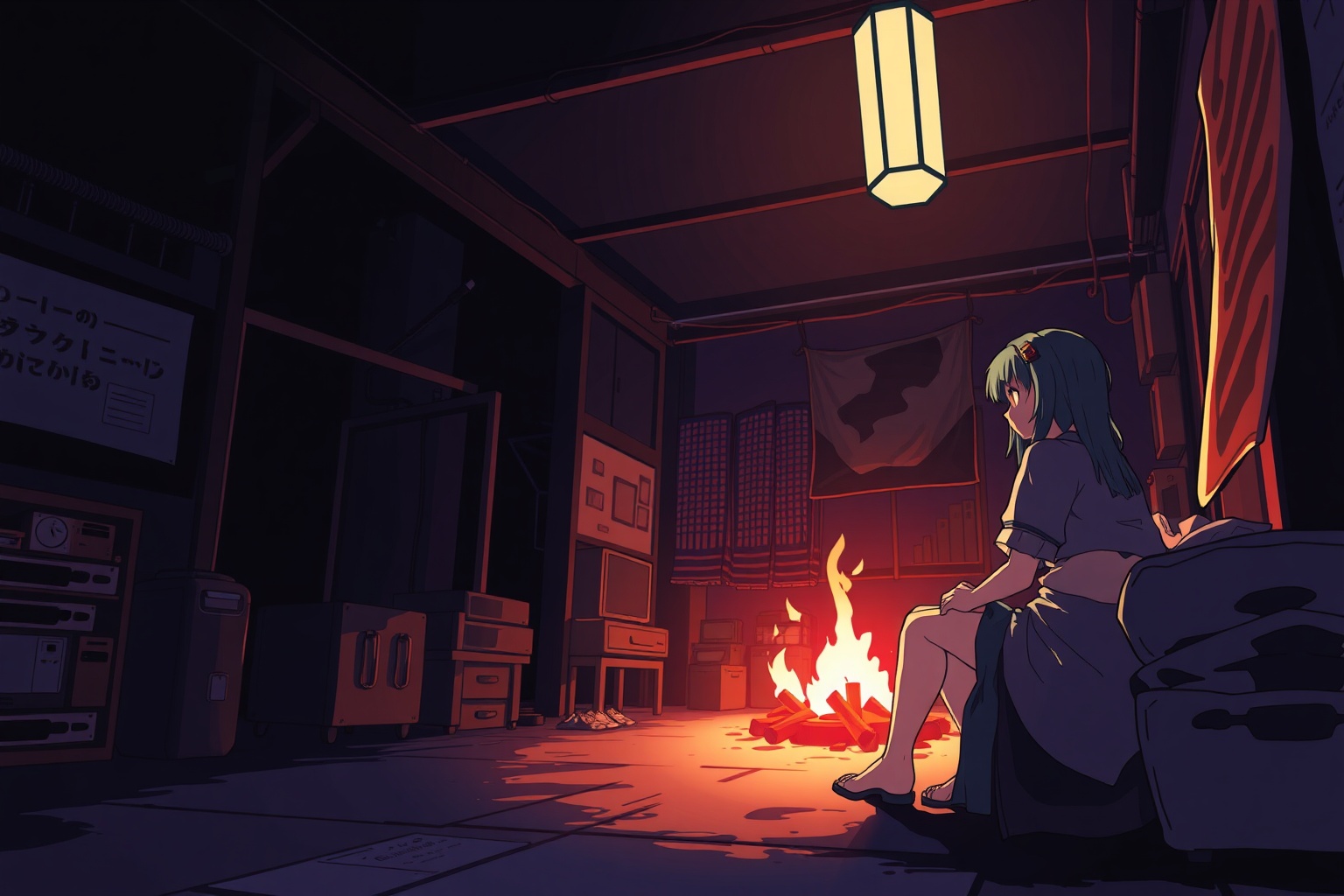
Foundations and Context
Adult anime sits at a crossroads of artistic ambition and explicit content, offering narratives that push boundaries while inviting viewers to reflect on desire, consent, and fantasy. For many fans, hentai and ecchi genres open doors to unique visual storytelling, character dynamics, and world-building that diverge from mainstream anime. As with any mature media, a careful balance between interpretation and critical literacy helps prevent tokenization or sensationalism, guiding readers toward nuanced engagement with the material. https://raw-hitomi01.com/ is one example of how dedicated communities gather disparate works, though discerning quality remains essential when evaluating these offerings.
In this landscape, adult anime is not a single monolith but a spectrum that ranges from suggestive, playful ecchi to explicit hentai with varied storytelling styles. Fans often seek authentic character voices, cohesive world-building, and compelling artistic choices—decisions that can elevate or undermine the experience depending on execution. As tastes diverge, so do creator approaches, audience expectations, and ethical considerations guiding consumption and discussion within the community.
Craft and Visual Language
The visual language of adult anime blends line work, color theory, and dynamic composition to convey mood, power dynamics, and intimacy. Skilled artists leverage shading, anatomy, and expressive facial cues to signal consent, desire, and emotional stakes, transforming explicit moments into narrative milestones rather than mere spectacle. This emphasis on craft helps elevate hentai and ecchi beyond crude framing, rewarding viewers who notice deliberate design choices and pacing decisions that support character arcs and tension.
Animation decisions—from camera angles to timing of motion and reaction shots—affect how scenes land with audiences. Subtle pauses, breath, and micro-expressions can convey vulnerability or resolve, while bold, exaggerated movements may amplify fantasy or humor. When the direction foregrounds consequence and agency, adult anime feels less like idle provocation and more like a structured exploration of power, consent, and desire within imaginative worlds.
Character Agency and Ethics
A recurring evaluation concern in adult anime is how characters navigate agency within explicit scenarios. Thoughtful works depict consent through dialogue, clear boundaries, and mutual interest, allowing viewers to engage with intimate moments without endorsing coercion. Conversely, narratives that normalize non-consensual acts risk alienating audiences and perpetuating harmful stereotypes. Responsible storytelling recognizes the impact of fantasy on real-world perceptions and seeks to foreground respect, even within heightened or consensual contexts.
Therapeutic and educational threads sometimes surface in discussions about adult anime, offering insights into sexuality, communication, and relationships. When a story deliberately frames consent as ongoing dialogue rather than a one-time assent, it invites viewers to reflect on their values and boundaries. The most resonant works balance explicit content with character resilience, emotional honesty, and consequences that propel growth rather than serving merely as concessions to desire.
Genre Boundaries: NSFW, Hentai, and Ecchi
NSFW anime often garners fierce debates about legality, distribution, and community standards, but it also prompts critical discourse on portrayal, censorship, and cultural context. Hentai, defined by explicit sexual content, frequently aims for more intense scenarios and adult themes, requiring thoughtful handling by creators and audiences alike. Ecchi, in contrast, tends to emphasize teasing, innuendo, and suggestive humor, inviting analysis of tone, pacing, and audience target without always crossing into explicit territory.
Understanding these distinctions helps fans curate their collections with intention, choosing works that align with their comfort levels and values. It also reinforces the idea that mature genres can be recognized for artistry, world-building, and character development even when sexuality plays a central role. Responsible viewing includes researching creators, platform policies, and trigger warnings to ensure a mindful and respectful experience.
Worldbuilding and Fantasy Economies
Many adult anime series invest in elaborate worldbuilding, creating rules for magic, technology, or societal norms that shape erotic encounters and character choices. This scaffolding gives scenes meaning beyond instant gratification, tying intimate moments to larger stakes, conflicts, and cultural contexts. When worldbuilding is coherent, it grants viewers a sense of immersion that can deepen empathy for characters and the consequences of their decisions within imagined ecosystems.
Economies of desire, power structures, and factional conflicts often mirror real-world dynamics, offering a provocative mirror for readers to analyze relationships and social constraints. Thoughtful writers treat sex-positive messaging with care, avoiding gaslighting, exploitation, or voyeuristic fetishization. In strong works, intimacy serves as a lens for growth, vulnerability, and mutual respect rather than merely as a backdrop for action or fan service.
Audience Roles and Community Ethics
The communities surrounding adult anime frequently emphasize consent, labeling, and mutual respect, recognizing diverse boundaries among members. Moderation, content warnings, and respectful discourse help maintain safe spaces for discussion and critique. Fans who engage critically—calling out problematic representations and supporting inclusive storytelling—contribute to healthier ecosystems where voices from varied backgrounds can participate meaningfully in dialogue about the genre’s direction.
Mentorship, fan translations, and collaborative fanworks cultivate a sense of shared curiosity, enabling newcomers to learn about artistic techniques, storytelling devices, and ethical considerations. When communities encourage constructive feedback and cite reliable sources, they empower enthusiasts to deepen their understanding while maintaining a culture that values safety, consent, and accountability within adult anime discourse.
Industry Trends and Creator Perspectives
Industry shifts toward streaming accessibility, creator-owned platforms, and international collaborations influence the availability and reception of adult anime. Writers and artists are increasingly aware of audience feedback, converting reactions into iterative improvements across scripts, visuals, and pacing. This responsiveness can yield more refined scenes, better character arcs, and richer worldbuilding that aligns with contemporary sensibilities about consent and representation.
Interview-driven insights from creators reveal motivations, challenges, and ethical commitments behind mature works. Some artists emphasize collaborative writing, transparent consent within production, and sensitivity to diverse audience experiences. As the market evolves, responsible production practices and thoughtful marketing become critical to sustaining quality, trust, and long-term engagement within adult anime communities.
Closing Reflections: Craft, Community, and Care
Engagement with adult anime invites a balance of curiosity, discernment, and empathy. Fans can appreciate technical prowess—linework, shading, timing—while holding space for ethical storytelling and character-centered outcomes. By seeking works that treat intimacy as part of a broader narrative arc, readers honor both artistry and humanity, cultivating a more thoughtful relationship to mature content that respects creators and viewers alike.
Ultimately, the conversation around hentai, ecchi, and anime nsfw is about pairing fearless storytelling with responsible consumption. When communities elevate quality, consent, and diversity of voices, the genre can offer provocative, memorable experiences that resonate beyond the screen, inviting ongoing dialogue about desire, power, and responsibility in a shared cultural landscape.