A Practical Guide to Creating a Balanced Garden Pond with Native Plant Life
A practical guide to building a balanced garden pond with native plants, from choosing British pond plants to maintaining water lilies and marginal species for thriving wetlands.
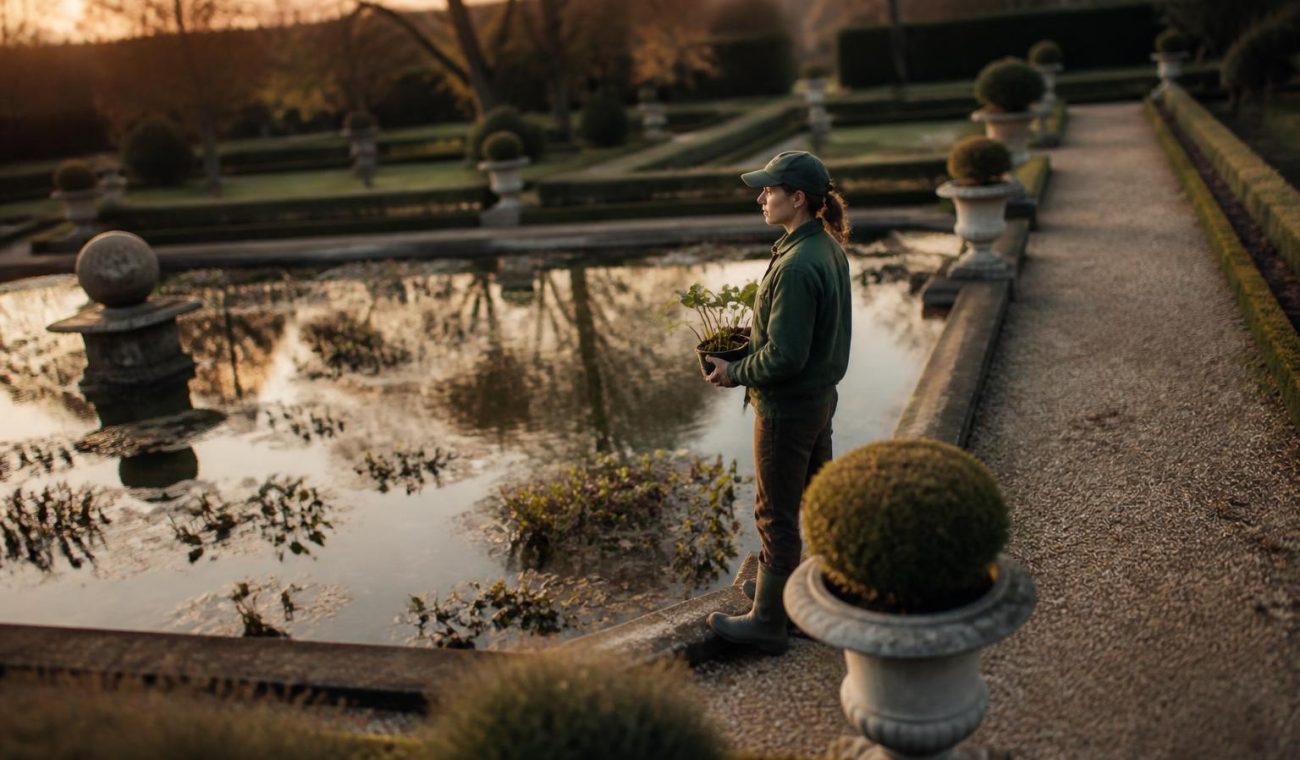
Foundations of a Healthy Pond Ecosystem
Starting with a clear purpose helps guide every choice, from pond size to plant selection. A well-designed water feature supports biodiversity while ensuring easy maintenance and visual appeal. When planning, consider depth variations, shade patterns, and how seasonal changes will affect light and temperature, balancing sun-loving and shade-tolerant species for year-round interest. For beginners, a shallow shelf around the edges invites marginal pond plants to establish before deeper zones benefit from more robust aquatic life. Pond Cleaning London helps keep debris from accumulating and preserves a healthy base for all plant and animal life.
In practical terms, select a pond with at least one gradual slope and a gently curved perimeter to reduce glare and provide multiple microhabitats. Submerged equipment should be tucked away so it does not conflict with plant growth or the visual rhythm of the water. A balanced ecosystem relies on both oxygenating plants and natural filtration; plan for a mix of marginal pond plants and deeper-water species to create layered habitats for amphibians and insects. This approach minimizes algae blooms and supports a natural, low-maintenance rhythm throughout the year.
Choosing the Right British Pond Plants
British pond plants offer resilience and seasonal texture, combining hardy varieties with striking foliage. Start with a core set: water lilies for shade and vertical interest, plus a selection of british pond plants that thrive in cooler climates. Plant depth matters for each species: water lilies typically root in firm soil at deeper levels, while marginal plants anchor at shallow edges. Group plants by light need to create natural zones that reduce competition and encourage healthy growth across the pond’s surface and margins.
When sourcing, prioritize local ecotype species that resist local pests and adapt to seasonal rainfall patterns. Avoid overcrowding by spaced planting, allowing sunlight to reach each leaf and encouraging natural pollinator visits. Regularly inspect for signs of nutrient buildup, such as algae, and prune back tired foliage to maintain air circulation and reduce disease risk. A thoughtful plant palette will reveal a spectrum of greens, purples, and soft blooms that shift with the months.
Water Lilies: Elegance and Function
Water lilies provide essential shade for underwater life and create a striking focal point with their broad leaves and lily pads. Choose species that suit your climate and pond depth, ensuring tubers thrive without overheating in summer heat. Regular pruning of spent flowers and yellowing leaves prevents decay from affecting water clarity and nutrient balance, while the root system anchors the plant securely to the bottom substrate. Pair lilies with floating planters to keep growth orderly and aesthetically pleasing.
In practice, keep lilies in dedicated pots to manage nutrient levels and ease seasonal relocation. The contrast between broad leaves and the sky above adds a sense of serenity, as does the gentle movement of water around each pad. Consider color variety—white or pink blossoms can dramatically enhance reflections on calm mornings, contributing to a tranquil, garden-centered mood that complements other aquatic life.
Marginal Pond Plants and Their Roles
Marginal pond plants form a critical belt around the water’s edge, stabilizing banks and filtering runoff while adding texture and height. They tolerate wetter soils and emerge early in spring, signaling the pond’s readiness for full planting. Choose a mix of species with different leaf shapes and growth rates to create visual interest and dynamic movement as winds shift water levels. Proper spacing prevents crowding and ensures each plant has access to light and air for robust growth.
These plants attract beneficial insects and provide shelter for small wildlife, so consider their placement along gentle curves and corners where wildlife naturally congregates. Regularly remove dead foliage to prevent decay in the water. A well-planted margin keeps the pond looking natural and complements the deeper aquatic zones, while offering a soft transition from land to water that enhances overall harmony in the garden.
Managing Water Quality and Algae Naturally
Healthy water begins with gentle, continuous filtration and balanced nutrient inputs. Mechanical skimming, biological filters, and a healthy plant community work together to keep clarity high and odors low. Use native or well-adapted plant species to consume excess nutrients, especially during periods of high rainfall when runoff can increase nitrate and phosphate levels. Regularly test water parameters and adjust planting density to maintain equilibrium across seasons.
Seasonal tasks include removing fallen leaves before they decay and monitoring pond turnover during hot spells. A layered approach with floating plants, marginal zones, and submerged oxygenators fosters a self-regulating system that resists algal blooms. Emphasize natural processes over chemical fixes, and you’ll enjoy clearer water and thriving pond life without the constant need for intervention.
Seasonal Care for a Year-Round Welcome
Spring is the time to refresh and replant, waking dormant roots and encouraging new growth. Focus on establishing a balanced mix of water lilies, marginal plants, and submerged oxygenators to support respiration and nutrient uptake as temperatures rise. Pruning and repotting after winter dormancy ensures plants settle quickly and display strong, healthy shoots by late spring. Keep an eye on pest pressures and adjust plant choices to reflect changing climate conditions.
Summer care emphasizes steady moisture and light management. Water deeply and consistently in hot periods, shade the most sensitive plants if heat spikes occur, and continue to remove debris and spent blooms. Autumn signals a cleanup window: harvest lingering seed heads and trim back vigorously growing species to prevent overcrowding next season. With consistent, mindful maintenance, the pond’s ecosystem remains vibrant through the cooler months, preparing for a fresh cycle of growth.
Thoughtful Additions: Native Textures and Wildlife Links
Incorporate natural textures by layering grasses, reeds, and willow-like plants along the bank, which filter runoff and create refuge for amphibians. Pair these with water-loving perennials that complement the primary plant palette, strengthening both aesthetic appeal and ecological function. For a tailored maintenance plan, consider consulting a local pond specialist who can assess your site and propose a plant list that respects local conditions and wildlife needs.
2.0 The pond can be a sanctuary of quiet observation: watch frogs leap from lily pads, dragonflies skim the surface, and birds dip to drink from shallow margins. A well-planned combination of british pond plants and water lilies, supported by marginal species, yields a garden feature that feels both serene and alive. With thoughtful plant choices and regular upkeep, the pond becomes a year-round focal point rather than a seasonal afterthought.