Practical Home Gardens: A Step-by-Step Guide to Seasonal Comfort and Simple Outdoor Luxuries
A practical guide blending gardening basics with interior-influenced outdoor décor for a welcoming home garden year-round.
Foundations for a Welcoming Outdoor Space
Creating a cohesive outdoor area begins with a clear vision and functional layout that supports daily living and leisure. Start by mapping sun exposure, wind breaks, and existing structures to determine where to place seating, planters, and a small dining zone. This approach aligns with sensible home improvement by treating exterior spaces as an extension of interior living, shaping flow and usability across seasons. For garden health, integrate a simple soil test and amend based on results to ensure robust plant performance and long-term vitality. For a deeper look, see Pond Cleaning London.
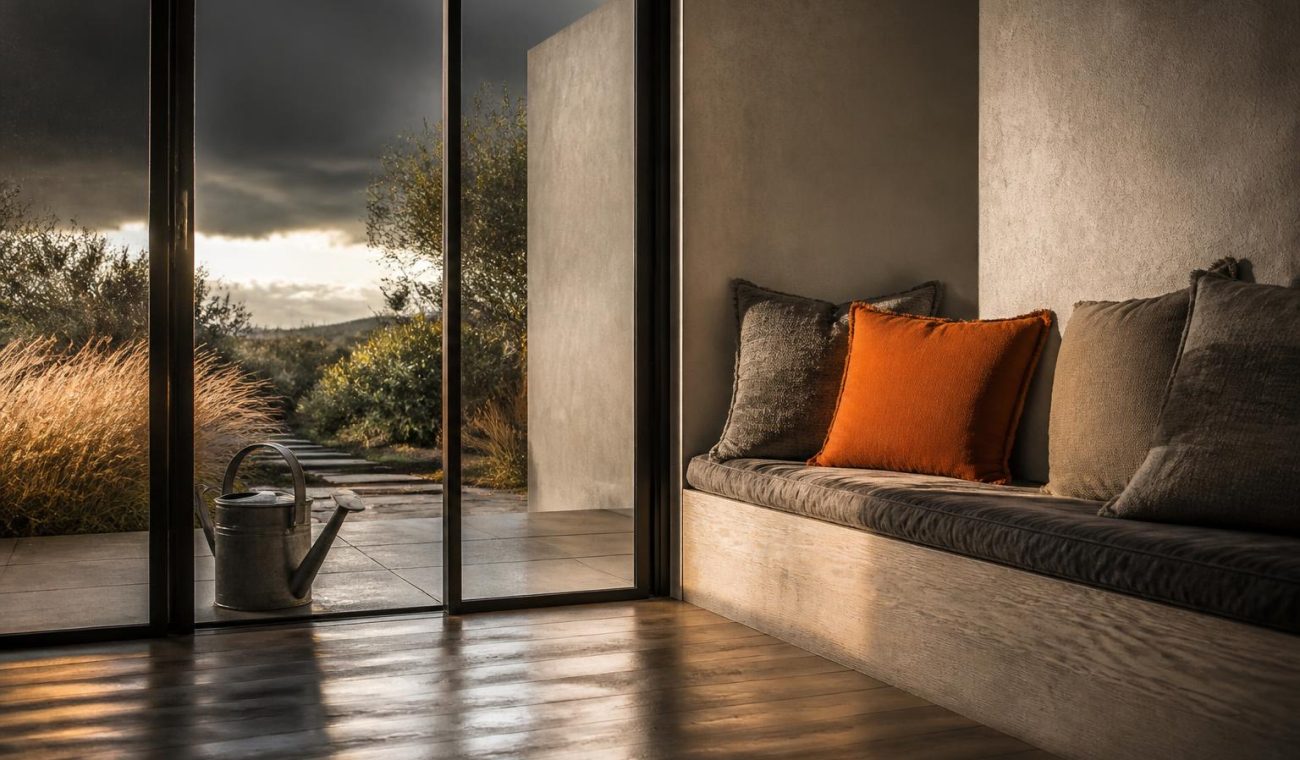
Next, prioritize durability and ease of maintenance so your space remains enjoyable rather than labor-intensive. Choose weather-resistant furniture and containers that complement your home’s architectural style, whether you favor rustic, modern, or cottage decor. A practical palette—muted greens, earthy browns, and soft neutrals—helps unify the garden with interior decor, creating a seamless transition from inside to outside while supporting low-key, year-round appeal.
Soil, Plants, and Seasonal Planning
Healthy soil is the backbone of any thriving garden, and a thoughtful planting plan reduces effort while maximizing visual impact. Begin with a layering strategy: a compost-rich topsoil base, a layer of mulch for moisture retention, and a selection of perennial staples mixed with seasonal annuals for color. Choose plant heights and textures that provide structure at eye level as well as pockets of shade and sun, mirroring interior zoning for balance and comfort. Regular, moderate watering keeps roots strong without over-relying on irrigation systems.
Plan for year-round interest by pairing evergreen interest with seasonal bursts. In early spring, select shrubs with early bloom and glossy leaves, then fill borders with hardy perennials that tolerate varying moisture. In late summer, introduce drought-tolerant natives to reduce maintenance while preserving vibrant color. A garden that considers climate nuances and microclimates echoes interior design logic: layers of texture, color harmony, and purposeful repetition create a soothing, integrated atmosphere.
Water Features and Ambient Soundscapes
Water features offer sensory depth without excessive upkeep when chosen with scale in mind. A compact fountain or a shallow pond can become a focal point that reflects light and invites wildlife, yet remains manageable with routine cleaning and seasonal maintenance. While designing, ensure the feature harmonizes with nearby seating, so guests can enjoy the gentle splash without feeling overwhelmed. A small water element can anchor the garden’s mood and support existing decor motifs.
Consider the soundscape as a design element akin to interior acoustics: too loud disrupts conversation, too quiet dulls the sense of life outdoors. Use soft water movement and strategic planting to dampen noise from adjacent streets or neighbors. For those seeking hands-on reassurance, local services provide seasonal cleanings and optimization, helping preserve water quality, reduce algae buildup, and extend the feature’s lifespan while you focus on broader home improvement goals.
Paths, Privacy, and Outdoor Rooms
Define outdoor rooms with clear pathways, level surfaces, and materials that echo indoor flooring choices. A gravel or paver path can guide movement and visually narrow expansive lawns, while the edge planting creates a soft boundary that enhances privacy. Think in terms of interior rooms: a sunlit breakfast corner, a shaded reading nook, and an evening dining space all anchored by durable, weather-resistant surfaces. This approach makes the garden feel intentional rather than accidental, boosting overall home value and enjoyment.
Privacy screens crafted from sustainable timber or fast-growing, non-invasive climbers offer a natural partition without sacrificing air flow or light. Integrate seating clusters, low tables, and subtle lighting to craft usable zones that invite daily use and occasional entertaining. When planning, map wiring for lighting and consider solar options; practical lighting improves safety and mood while reducing evening clutter and energy use, aligning with thoughtful decor-oriented design.
Lighting, Ambiance, and Seasonal Decor
Outdoor lighting expands usability after dark and highlights architectural and landscape features. Layer warm, soft lighting along pathways, seating areas, and focal plants to create inviting pockets without glare. Incorporate dimmable options and weatherproof fixtures that coordinate with interior lighting principles, reinforcing a cohesive home interior-to-exterior decor story. Thoughtful lighting elevates both curb appeal and evening comfort, making the garden feel like a natural extension of living spaces.
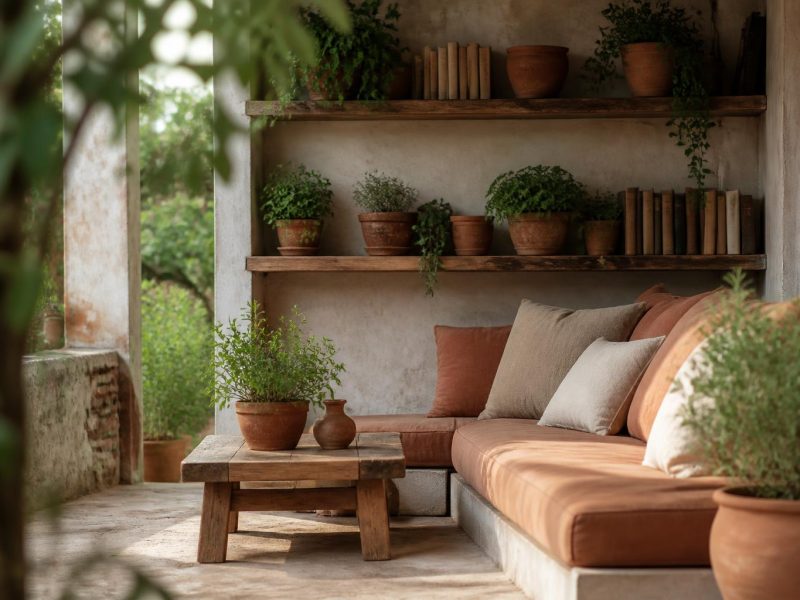
Seasonal decor can be lightweight and reversible, such as lanterns, textiles, and planter wraps that reflect holidays or color trends. Use outdoor-rated versions of indoor elements—soft cushions in durable fabrics, scented herbs in decorative pots, and a small, weather-protected display shelf for seasonal accents. The goal is to rotate accents without heavy lift, keeping the space fresh yet familiar and aligned with your interior style sensibilities.
Edible and Pollinator Gardens
Integrating edible plants into ornamental beds blends practicality with beauty and supports sustainable living. Start with compact herbs near the kitchen door for easy harvest, then weave compact vegetables through decorative borders so raised beds or containers serve dual purposes. This approach mirrors interior utility—functional, attractive, and within reach. A well-planned edible garden reduces grocery trips and adds tangible value to the everyday routines of home improvement and gardening alike.
Pollinator-friendly plantings attract beneficial insects that improve garden health and yield. Choose a mix of nectar-rich blooms across the growing season, including asters, echinacea, and lavender, paired with host plants for butterflies. Group plants by bloom time for a continuous display, and keep a small compost source nearby to recycle kitchen scraps, reinforcing a holistic, sustainable garden practice that suits both decor-minded and practical homeowners.
Maintenance Routines and Smart Planning
Establish a simple, repeatable maintenance calendar that distributes tasks across the week, month, and season. Regular weeding, mulching, pruning, and soil checks protect plant health and keep borders tidy, aligning with interior standards of cleanliness and order. A routine creates predictable outcomes, reduces the need for heavy renovations, and supports lasting curb appeal that complements your decor and interior design choices.
Invest in user-friendly tools and composting solutions that fit your space, whether a compact urban plot or a larger rural garden. Keep a dedicated storage area to reduce clutter and safeguard equipment, echoing the organization found in well-designed interiors. Balancing efficiency with care, a thoughtful maintenance plan sustains garden health and ensures your outdoor living areas stay inviting year after year, even as trends evolve.
Inspiration can come from observing how interiors evolve with seasons and adjusting outdoor spaces with equal intention.
Considerations for a Small-Scale Water Feature
- Choose a compact, easy-to-clean model
- Regularly inspect pumps and filters
- Position where it complements seating and viewing angles