Smart Garden Interiors: Practical Home Improvement for Healthy Plants and Cozy Decor
Practical tips blending interior gardening with durable home improvement, focusing on decor, space use, and plant health.
Creating a Functional Indoor Garden Space
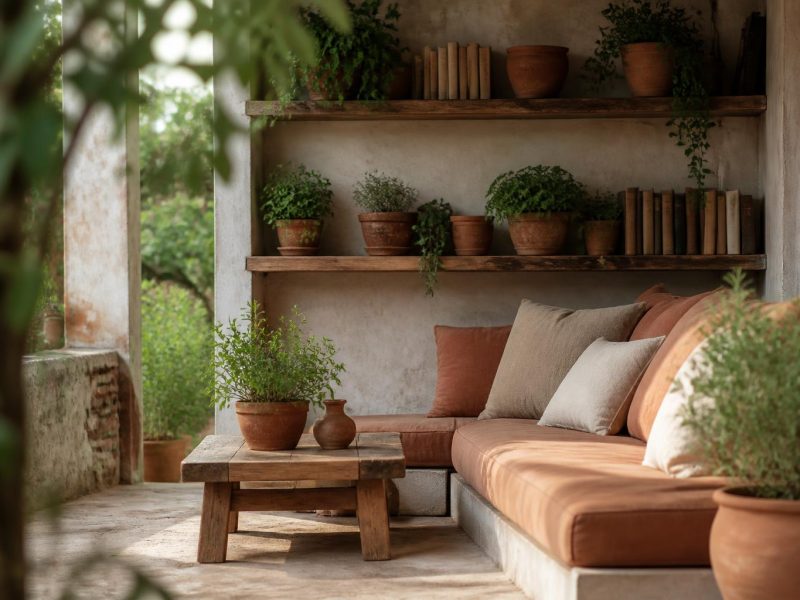
An indoor garden space is more than a cluster of pots; it is a message about how you live and the care you invest in your surroundings. Start by mapping a zone with even light, airflow, and accessibility for watering and pruning. For homeowners, choosing sturdy, water-resistant planters and shelving helps sustain steady growth while reducing clutter. Also consider a small intact work surface for repotting, tools, and seasonal plant care routines, aligning with a broader interior approach to routine home improvement. laser scanning equipment can be a metaphor for precise planning and measurement when you’re arranging space and light, ensuring you make the most of every square inch.
Focus on a cohesive layout that guides movement and usage. Position tall plants where they have room to breathe and hang heavier decor closer to stabilized, low-humidity zones to avoid damage. Choose a color palette connected to your decor theme—soft neutrals with leafy greens or bold contrasts that echo seasonal planting palettes. Use durable materials for bases and shelves to withstand humidity and accidental spills, a practical edge in interior gardening that supports long-term home improvement goals.
Lighting and Microclimates for Plant Health
Lighting is the backbone of any indoor garden, shaping both plant vigor and the ambiance of the room. Aim for a mix of ambient, task, and accent lighting that can be dimmed in the evenings to maintain mood-oriented decor while supporting photosynthesis. Consider full-spectrum LED fixtures that run cool, reducing heat like a careful interior design choice, and place fixtures to prevent hot spots on leaves, which protects plant health and interior comfort alike.
Create microclimates by pairing shelves with reflective backing and adjustable supports to tailor humidity and airflow. Use heat mats or humidifiers sparingly to ease transplant shock for younger specimens, especially in cooler months. This approach links practical home improvement with gardening goals, ensuring that plants thrive without forcing dramatic changes in room temperature or aesthetics.
Soil, Watering, and Container Choices
Soil selection anchors plant success and the cleanliness of your living space. Use a well-draining mix for container gardens to prevent root rot and damp odors that can affect interior air quality. Group plants with similar water needs to simplify maintenance and reduce overwatering, a common pitfall in busy homes. Choose containers with drainage trays and materials that resist staining, supporting a neat, organized look in the decor of your home.
Watering schedules should reflect plant needs, season, and indoor climate. Implement a weekly routine with a quick moisture check and a calendar reminder to rotate pots for even growth. Consider using self-watering planters for busy periods, which maintains consistent moisture and helps keep surfaces clean, a practical blend of gardening discipline and stylish interior presentation.
Vertical Gardening and Space Maximization
Vertical gardening transforms underutilized walls into productive green showcases. Install modular wall planters or trellises that complement the room’s decor, letting you scale your garden without sacrificing floor space. By elevating greens, you reduce clutter on counters and tables, creating a calmer living area while expanding your gardening footprint with a clean, modern aesthetic.
For flexible layouts, choose lightweight, easily movable containers and durable hooks that can adjust as your plant collection evolves with seasons. Integrate vertical greenery into a coffee nook or entryway to greet visitors with life-filled textures. A well-planned vertical approach extends the reach of home improvement into a thriving, visually rich interior garden.
Seasonal Maintenance and Tool Organisation
Seasonal care keeps plants resilient and aligns with tidy home maintenance. Create a rotating schedule for pruning, fertilizing, and repotting that fits your calendar, separating tasks into weekly, monthly, and quarterly checks. Group tools by function in labeled bins or a rolling cart to minimize clutter and keep your workspace efficient, reinforcing a sense of order in both interior design and gardening routines.
Invest in a simple, durable tool kit with essential items—shears, trowels, moisture meters, and plant supports—to streamline upkeep. Use clear storage solutions so you can quickly locate items, reducing the friction between maintenance and enjoying your space. This practical system enhances both your home improvement efforts and the ongoing health of your indoor garden.
Decorative Elements that Support Plant Life
Decor isn’t merely surface adornment; it can actively support plant life and room ambiance. Select textiles and finishes that resist moisture and echo natural tones found in your plants, tying the room together without overwhelming it. Incorporate art and structure that guide the eye to green accents, balancing visual warmth with a clean, breathable interior. The right decor choices amplify both the garden’s vitality and the room’s overall style.
Use decorative screens, baskets, and ceramic accents to create a coastal, rustic, or modern vibe that complements greenery. Choose colors and materials that reflect the season, ensuring your interior decor remains cohesive as plants rise and fall in activity. This approach fuses interior aesthetics with gardening purpose, supporting sustainable home improvement that feels purposeful rather than decorative only.
Harvesting, Propagation, and Longevity
Propagation extends the life of your indoor garden and reduces ongoing costs. Start simple with cuttings from hearty varieties like pothos or spider plants, which root easily in water or soil. Label new growth so you can track progress and ensure consistent care, a small habit that yields big returns in both plant vitality and your confidence as a gardener within the home interior.
Establish a propagation corner near a light source with clear containers and a small fan to encourage air movement. As plants mature, transplant to larger containers with fresh soil, maintaining root health and minimizing transplant shock. This cycle of growth mirrors thoughtful home improvement: deliberate, patient, and designed to extend the longevity of your green companions and living spaces.