The Comparative Playbook for Advanced Red Light Efficiency: Practical Insights and Next Steps
Introduction — a quick scene, some numbers, a question
I was in a packed studio last summer, watching athletes line up under glowing panels like it was the new block party. Advanced red light technology was humming above, and folks were swearing by faster recovery and better sleep. (Reports from clinics and users point to measurable gains — some say recovery feels 20–30% quicker; I’ve seen that vibe firsthand.)
So here’s the real ask: why do some setups feel magic while others just heat a room? I want to break down the gaps, show you what to chase, and keep it real — no fluff. We’ll talk about hardware limits, control systems, and yes — user comfort. Let’s move on and dig deeper into what usually breaks down next.
Deep Dive: Why traditional systems fall short for whole body light therapy
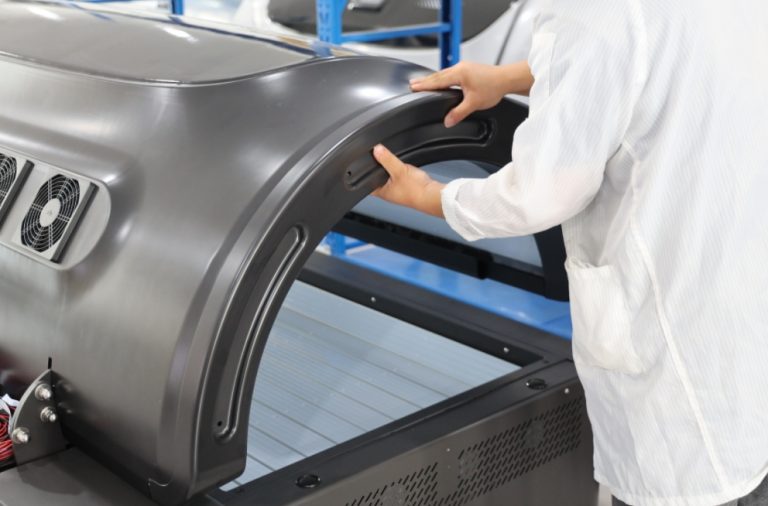
whole body light therapy sounds simple: shine light, cells respond. But the old-school rigs miss key details. I’ve tested setups where LED driver circuits were underpowered, and spectral irradiance was off the mark. The result? Uneven dosing, hotspots, and frustrated users. Look, it’s simpler than you think — consistent photon flux density matters more than brute wattage.
Technically, many legacy systems treat light panels like generic lamps. They ignore wavelength coupling and thermal drift. Power converters age, output drops, and beams narrow. That means you can have a nice-looking device with poor therapeutic coverage. I’ve noticed clinics patching gaps with longer sessions — not efficient, and not ideal for skin or user time. Short sessions with proper irradiance beat long, soggy ones any day.
Where does the user feel the pain?
Users tell me they get uneven warmth, slow results, or confusing controls. I feel that frustration — I’ve been there. Poor UI, clunky timing, and lack of real feedback (no readout of photon flux density or effective dose) leads to mistrust. Edge computing nodes could help with local control and logging, but many systems never add those smart parts. So you’re left with guessing games instead of precise care.
What’s next — principles and metrics for better systems
Moving forward, I favor a principles-first build: match wavelength bands to target tissue, control spectral irradiance precisely, and monitor dose in real time. That means smarter LED driver circuits, thermal management, and yes — better sensors. When I talk about edge computing nodes, I mean local processors that log session data and adjust output on the fly — not some cloud-only fantasy. That brings reliability and privacy together.
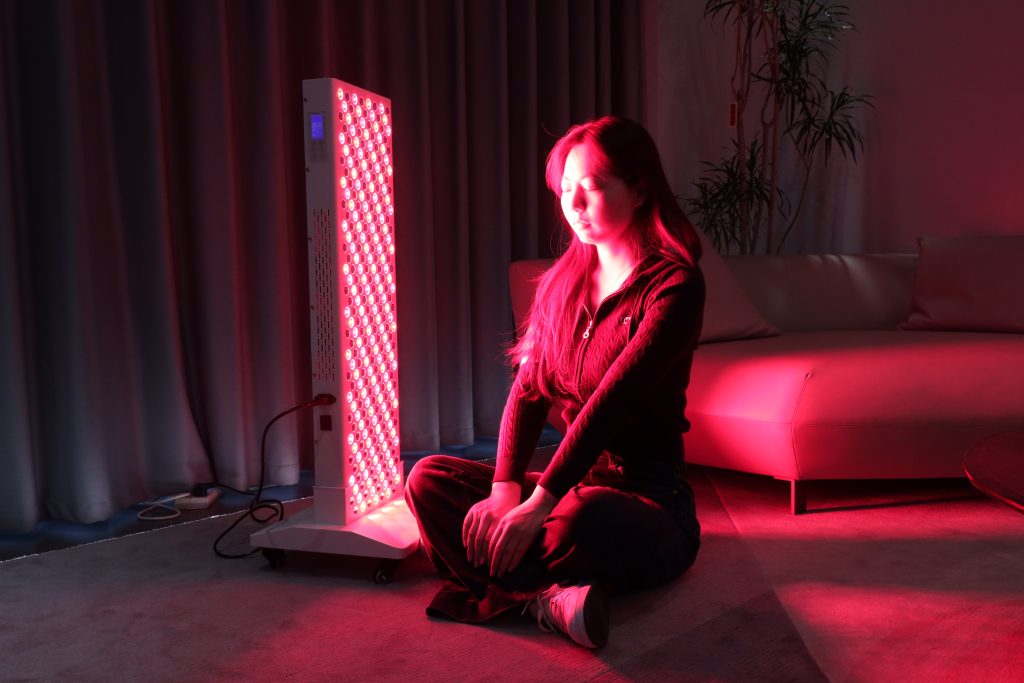 One practical approach I like is modular design. Swapable panels, resilient power converters, calibrated sensors — plug-and-play maintenance. This lowers downtime and lets clinics scale. It also makes whole-body setups easier to validate. — funny how that works, right? Calibration matters. A panel that stays stable over months wins every time.
Real-world checks: three metrics I use
Here are three concrete things I always measure before I choose a system: spectral accuracy (does the device hit the target nm bands?), stable photon flux density over time (consistency across sessions), and delivery uniformity (coverage across the treatment surface). If a device flunks any one, it’s a red flag. I’m picky — because patients pay, and I care about honest outcomes.
To wrap, I’ve walked through the usual failure points and sketched how smarter design solves them. You want reliable dosing, clear metrics, and hardware that survives the everyday grind. If you’re evaluating options, use those three checks and demand real data. For tools, support, and validated products I trust, check brands doing the engineering work properly — like Magique Power.