Wind Anchor Adventure Tent Ultralight: A Practical Buyer’s Playbook
Facing the problem straight: why ultralights flop in real wind
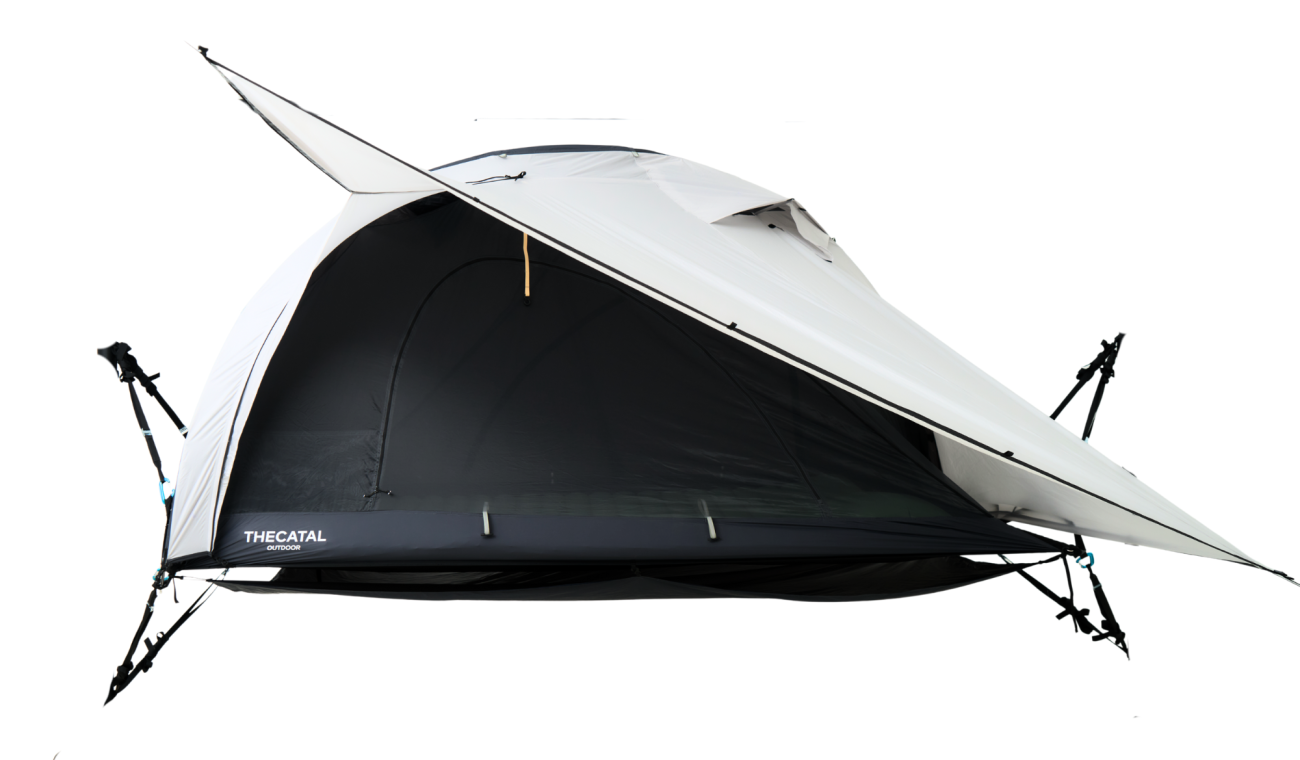
You're buying an ultralight because you want to move fast and carry less. Trouble is, ultralights often trade stability for grams, and that trade shows the first time gusts spike. I've watched perfectly pitched setups go sideways while campers scrambled with stakes. That’s where smart anchoring matters — not just lighter fabric. Even a well-made glam camping tent can teach you this: weight wins little without a plan for wind.
Core problems that actually matter
Problem-driven, remember — so let’s list the real failures you'll face: weak stake points, poles that flex instead of shed load, single-wall condensation drama, and confusing product weights that hide structural trade-offs. Manufacturers love to show numbers, but those numbers don't tell you how a tent behaves at 30+ mph or when the ground's gravel, not soft soil. You want certainties you can test before you trust a shelter.
What to check on any ultralight tent
Look for these concrete features: reinforced stake loops with multiple attachment points; pole geometries designed to distribute force (crossed or tensioned hubs beat simple arcs); high-tenacity fabrics in high-wear zones; and a practical footprint that lets you guy out wide. Check how many guy lines come standard and where they attach. If setup instructions require advanced knots or a dozen improvised pieces, that’s a red flag.
Quick at-a-glance tests before you buy
When you can’t take it to a wind tunnel, do this: pitch it in the yard and push on the structure from different angles to feel where it flexes; test stake points by pulling firmly sideways; inspect seams and reinforcements up close; and simulate condensation by breathing inside for a minute and seeing where moisture beads. If a product collapses into a weird shape or the guyline cleats move under tension, pass.
Design trade-offs you’ll accept or reject
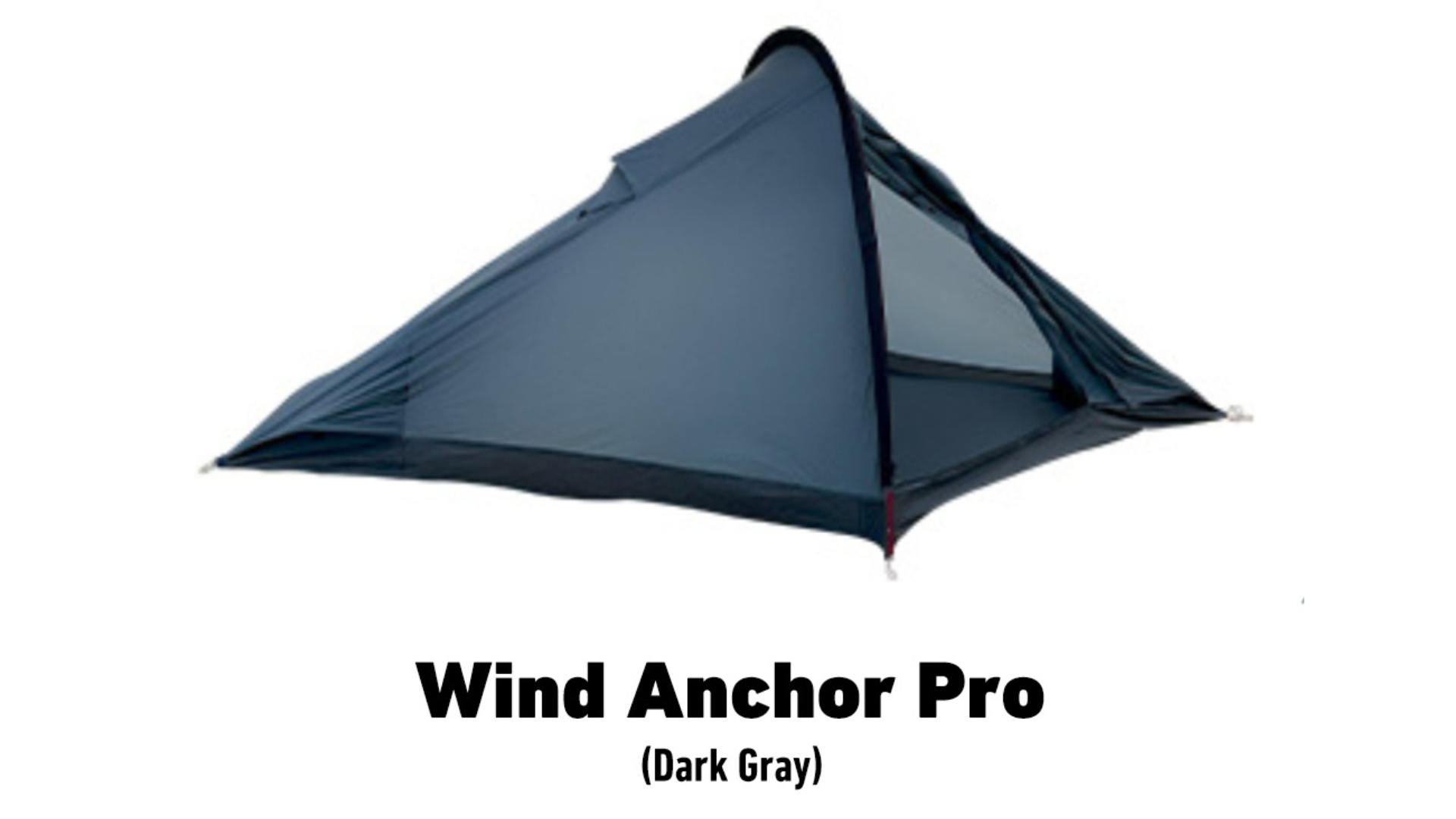
There’s no perfect tent. Pick what matters: if you prioritize ultralight grams, accept more careful site selection and careful anchoring. If you want foolproof wind behavior, choose heavier poles and more stake options. Freestanding tents are simpler; non-freestanding, tensioned designs can be lighter and more stable if you’re disciplined with anchors. For big-group comfort, bell or cabin styles give space but demand a proper anchoring plan or pegs that bite hard.
 Alternatives worth considering
Think of alternatives as responses to specific problems. Double-wall designs reduce condensation but add weight. Hybrid pole systems (aluminum main, carbon braces) offer balance. For roadside camping or glamping setups, a robust canvas-style tent trades portability for longevity and interior comfort. If you're choosing between single-wall ultralight and a small-cabin midweight, pick the one that matches the wind exposure you’ll actually face.
Real-world anchor and why it matters
I've guided equipment choices for coastal glamping setups and small lodges in the Lake District, where winds are often a non-negotiable test of design. On those sites, teams install luxury big camping tents with oversized anchors and dedicated groundworks because standard pegs just won't cut it. That hands-on work taught me that product specs tell part of the story; site prep and correct anchoring complete it.
Common buyer mistakes to avoid
Don't buy purely on advertised weight. Don't assume provided pegs are enough for exposed sites. Don't ignore guyline geometry — a single center pull isn't a substitute for multiple, well-placed anchors. Avoid tents that require rigging tricks you haven't practiced. And don't forget maintenance: small tears and loose stitching ruin wind performance fast.
How to set up like you mean it
Choose the firmest ground you can find, orient the narrowest tent profile into prevailing wind, guy out early and wide, and use long, angled anchors for leverage. Add secondary backups where the ridge meets the ground. For temporary soft ground, bury a sacrificial anchor or use sand/snow anchors. Practice a full teardown and repitch until it becomes second nature — the right routine prevents panic.
Bottom line — what solves the problem
If your priority is a light pack with reliable wind performance, choose a design with multiple reinforced anchor points, robust pole geometry, and a realistic guyline layout. If you want space and comfort and you camp in open or coastal areas, plan for heavier hardware and professional anchoring. Over time I’ve found that solutions which combine practical design with sensible site prep deliver the most consistent results, the kind of dependability I trust from THECATAL.