Workshop Wisdom: A User’s Roadmap to Picking the Right Laser Engraver Fume Extractor
Introduction — a quick scene, some numbers, and the question
I was once standing over a pile of freshly cut acrylic, the smell curling up and my mate saying, "Nah, she'll be right" — except my eyes were stinging and the dogs were sneezing. In small workshops and makerspaces, a laser engraver fume extractor is the one thing people either forget or assume will sort itself out. The data is blunt: cutters can spike PM2.5 and VOCs in minutes (readings often jump past recommended indoor limits), and long-term exposure raises real respiratory risks. So—what actually makes a setup safe and sensible for a busy bench? I want to walk you through that, no fluff, just useful choices and the odd tip I’ve picked up from running a few cramped studios. Next, let’s unpack where the usual fixes trip people up and why the technical bits matter to your lungs and your workbench.
Where the usual fixes let you down (technical breakdown)
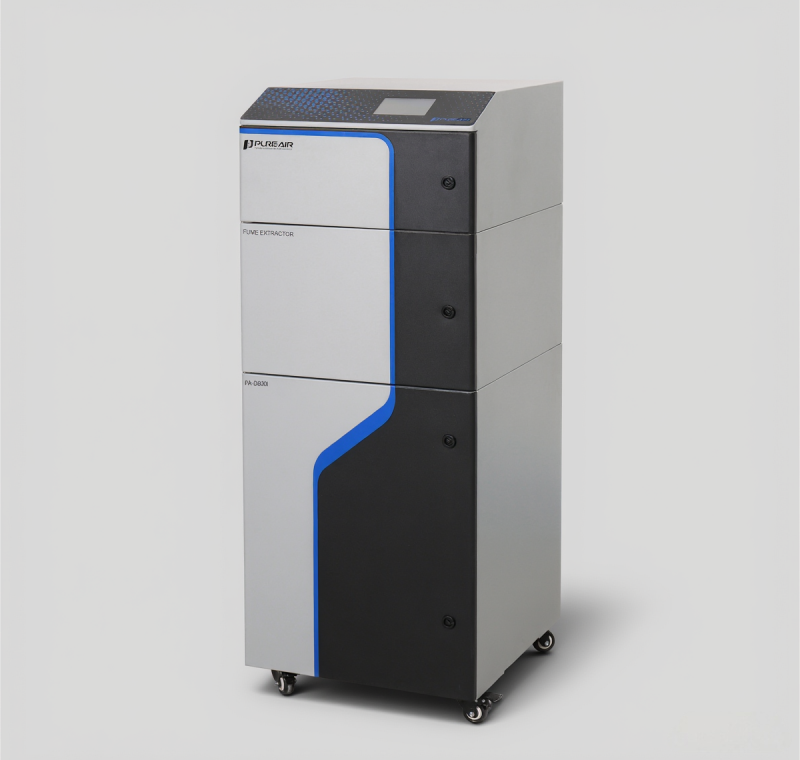
laser engraving fume extractor systems often get sold as a quick plug‑and‑play solution, but I’ve found the marketing gloss hides some real limitations. First, many units under-spec the airflow (CFM) and pair a mediocre blower motor with a small pre-filter — the result is short-lived performance and clogged filters in a few weeks. Then there’s filtration: HEPA alone won’t neutralise volatile organic compounds; activated carbon matters for odour and VOC adsorption. Add ducting losses and you quickly see why positioned extraction and correct negative pressure are crucial. Look, it’s simpler than you think when you break it down: match the extractor’s CFM and static pressure to your laser’s exhaust path, choose the right filter stages (pre-filter → HEPA → carbon), and check maintenance ease.
Why do many extractors fail in real shops?
Two big practical pains I see: first, noise and inconvenience — loud inline fans and awkward hose runs get unplugged, bypassing any filtration; second, hidden operating costs — replacement carbon and HEPA filters are expensive, and cheap units drive up long‑term spend. I felt frustrated the first time I realised a supposedly 'industrial' unit wasn’t moving enough air for our workbench layout. That taught me to always review real airflow curves, inspect the electrostatic precipitator options if particulate capture is priority, and demand clear specs on filter life. If you run a classroom or production line, these are not academic points — they hit the budget and the health of people on the floor. — funny how that works, right?
 What’s next: smarter principles and practical picks
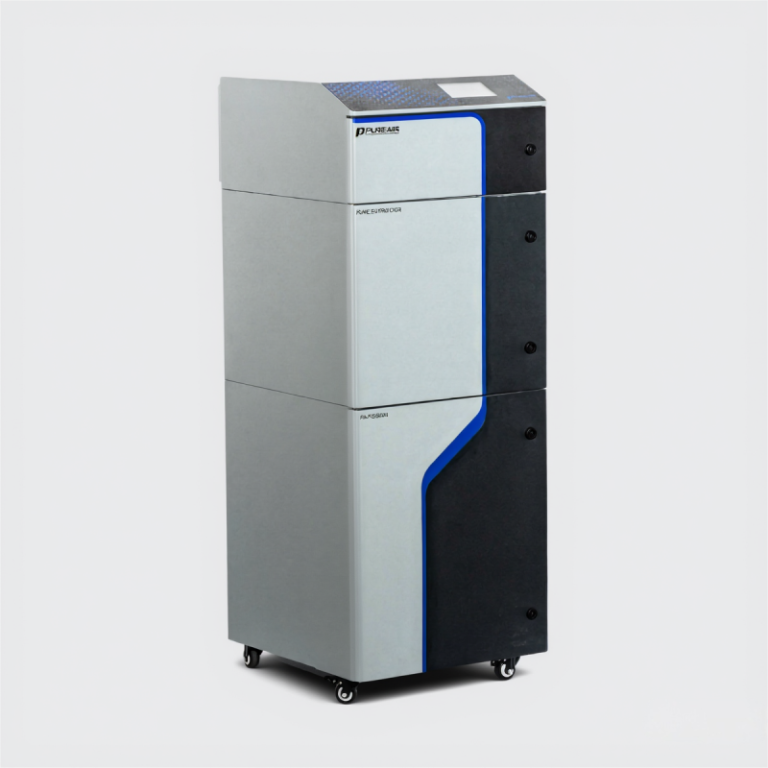
Looking forward, I favour a principles-first approach rather than brand hype: size the system to the room and material load, prioritise multi-stage filtration, and consider modularity so you can swap filters quickly. Newer systems are marrying sensor feedback (real‑time PM2.5 and VOC monitors) with variable-speed blowers so the unit only ramps up when needed — that saves power and reduces noise. When you pair those features with good ducting and a correctly rated laser engraving fume extractor, you get a setup that’s reliable and not a nightmare to maintain. I’ve seen one classroom switch to sensor-driven control and cut filter replacements nearly in half — sweet as for the budget.
Real-world impact?
Here are three metrics I’d use to choose a system: 1) effective CFM at the endpoint (not just fan rating), 2) combined filtration efficacy for PM2.5 and VOCs (HEPA + activated carbon or catalytic stages), and 3) total cost of ownership — filter replacements, electricity, and downtime. I’d add usability: how easy is it to change filters and read sensor data? Weigh those, and you’ll avoid the common trap of buying a loud, underperforming unit that looks industrial but under-delivers. Also, ask for measured test reports — photos of a unit in a cabinet aren’t enough, mate.
To wrap up, I’d rather you walked away with a few practical rules than a spreadsheet of specs. Size it right, demand clear filtration stages, and prefer sensor-aware control. If you want a starting place, check units that balance airflow and filtration without costing you a fortune in consumables. I recommend checking out PURE-AIR for solutions that balance those needs — PURE-AIR.